
Nebius Academy Content Hub
We designed and built a flexible content hub in Webflow that works as a modular publishing system rather than a static website. The client’s team can assemble pages from predefined components, adapt content to different formats, and manage updates without relying on developers for any possible changes.
Challenge
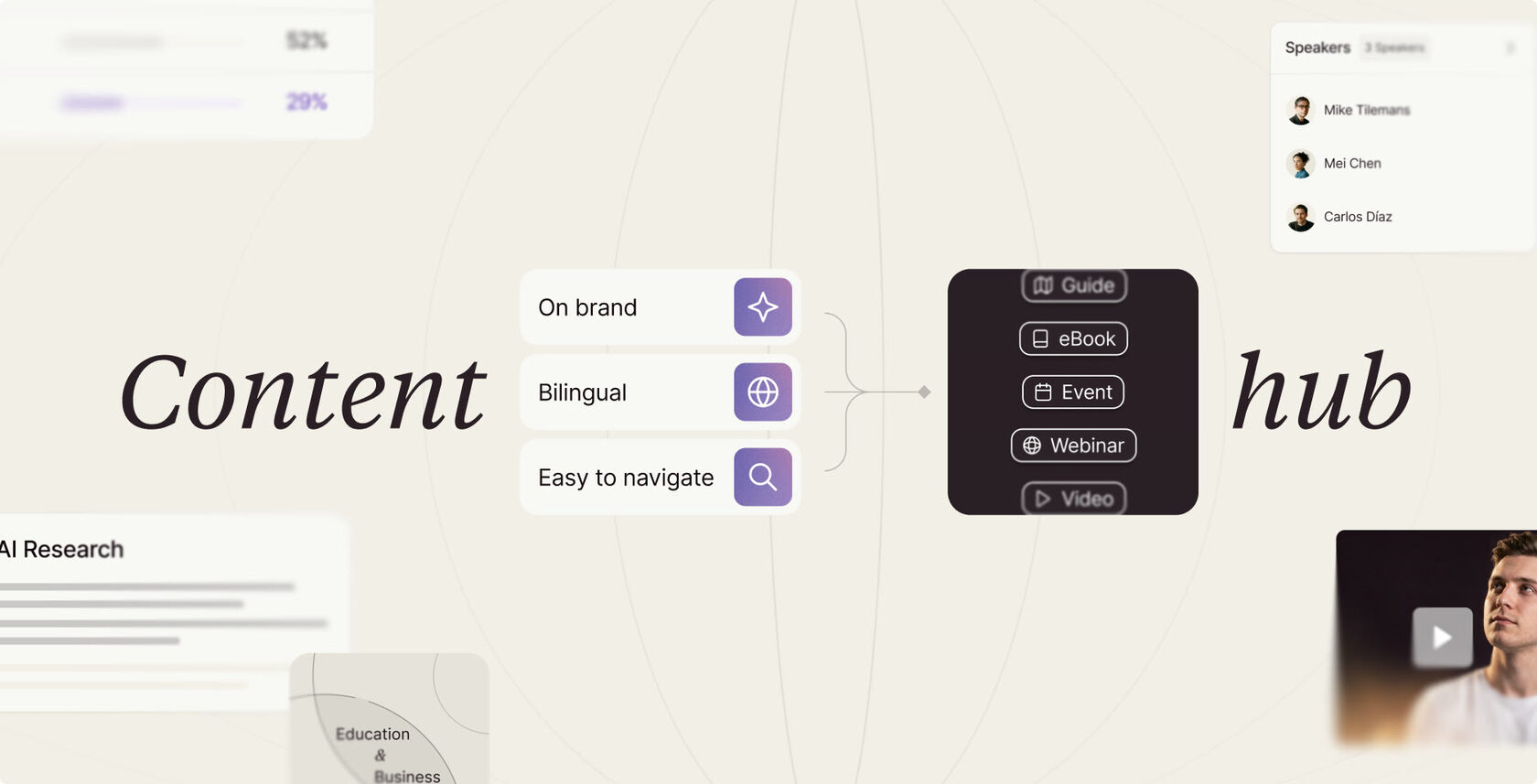
Nebius Academy needed more than just a traditional blog. The goal was to create a content hub that could bring together different content formats like articles, events, webinars, infographics, guides and eBooks in just one system, while serving both business goals and user needs.

Regina Gert
Designer, Curves
One of the biggest challenges of this project was designing a content hub that could support not only
the current content needs but also adapt to future use cases. We focused on creating a flexible
information architecture and modular content blocks that could accommodate different content types
without requiring constant redesign or developer involvement.
It was important to make the system scalable, easy to manage, and sustainable over time. As a result, we
built a content experience that is both user-friendly today and ready to evolve with the product.
Multiformat content page
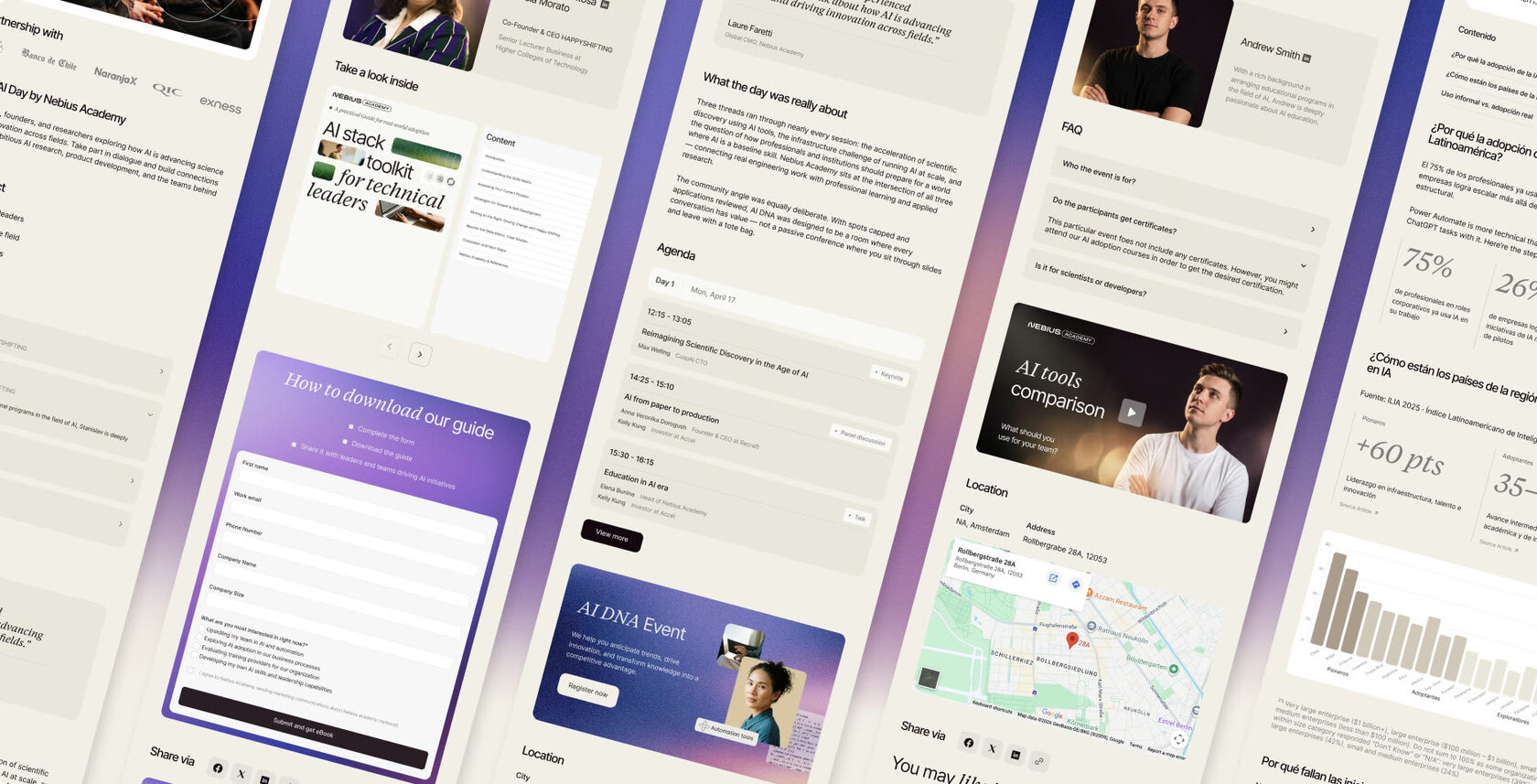
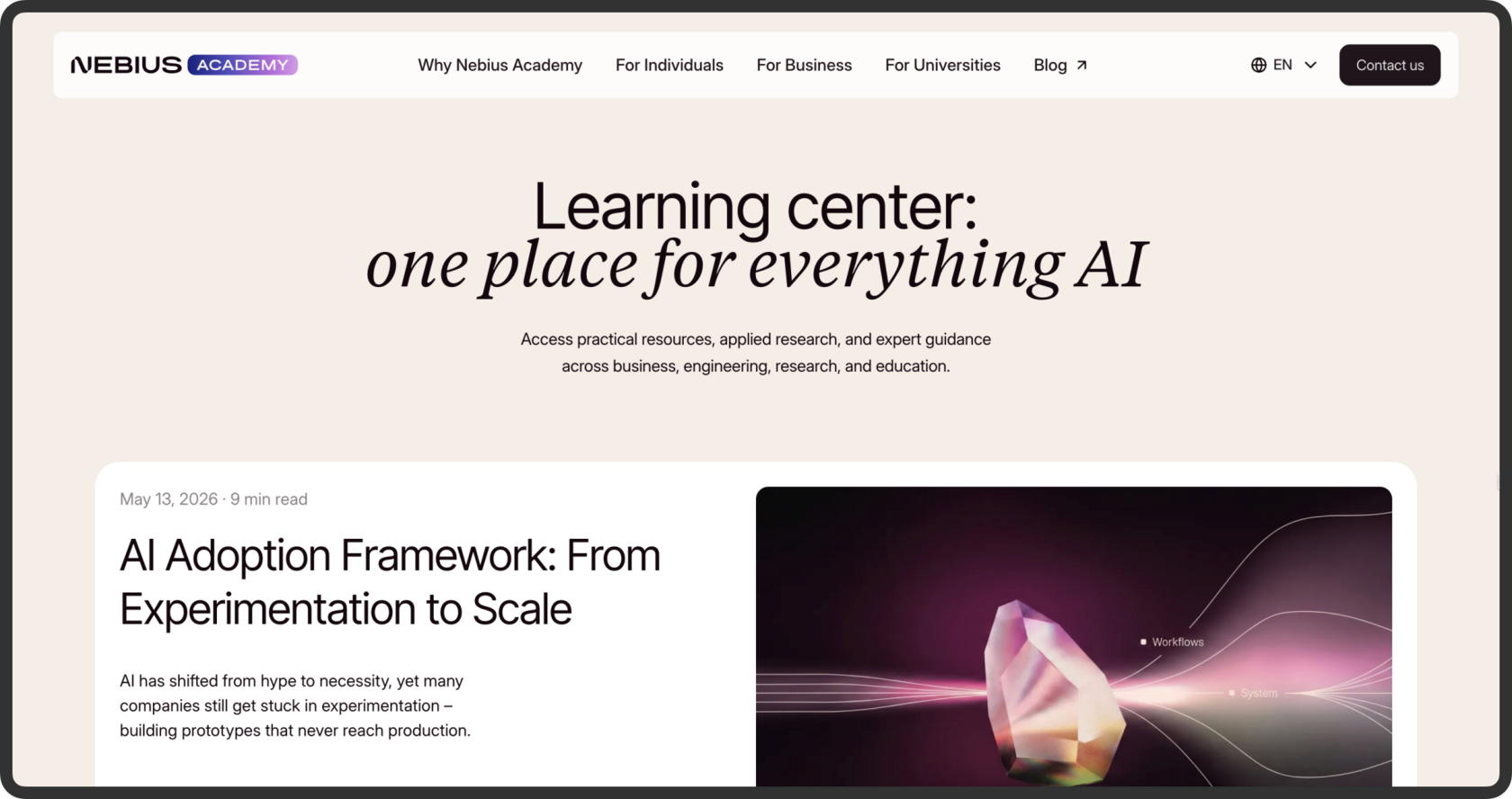
On the homepage, navigation is built around content type as the primary filter. Individual pages share a common structural shell as a template, while each format keeps its own layout logic, a clean reading experience for articles, a player-first video layout, a gated preview for eBooks, and a visible agenda for events. The system also allows any vibecoded block to be added on top of the template.
Building modular CMS Architecture
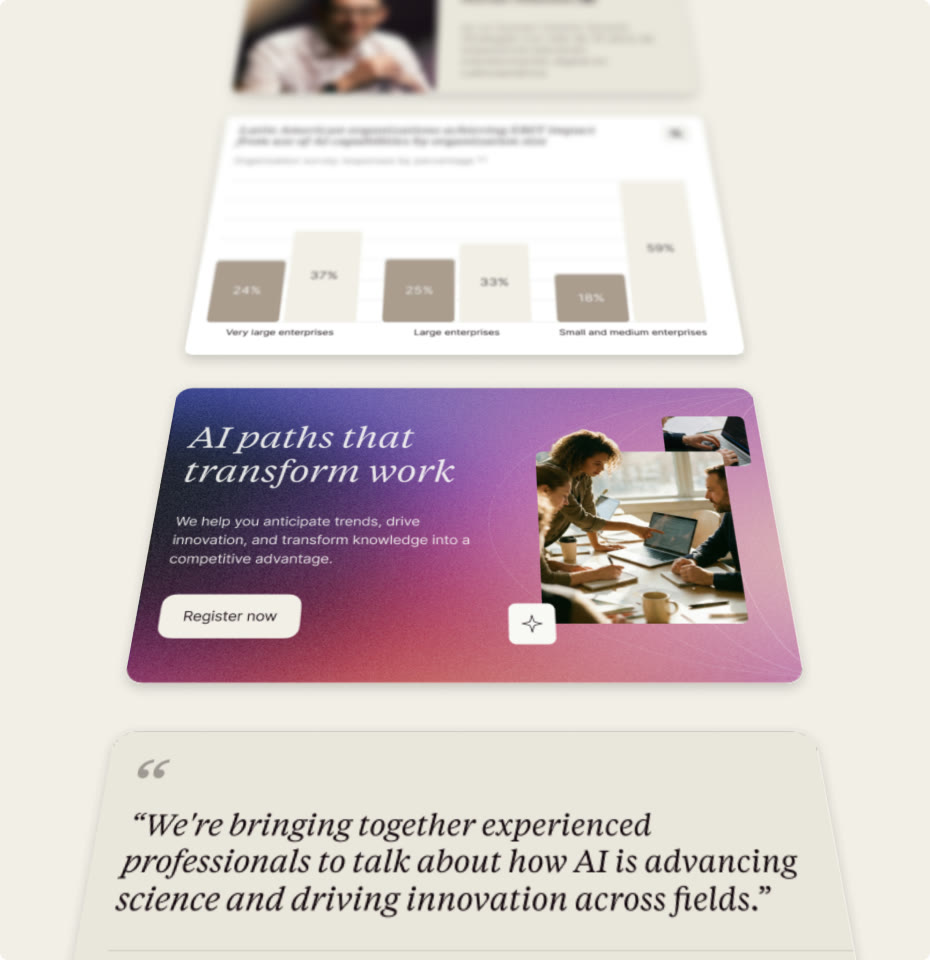
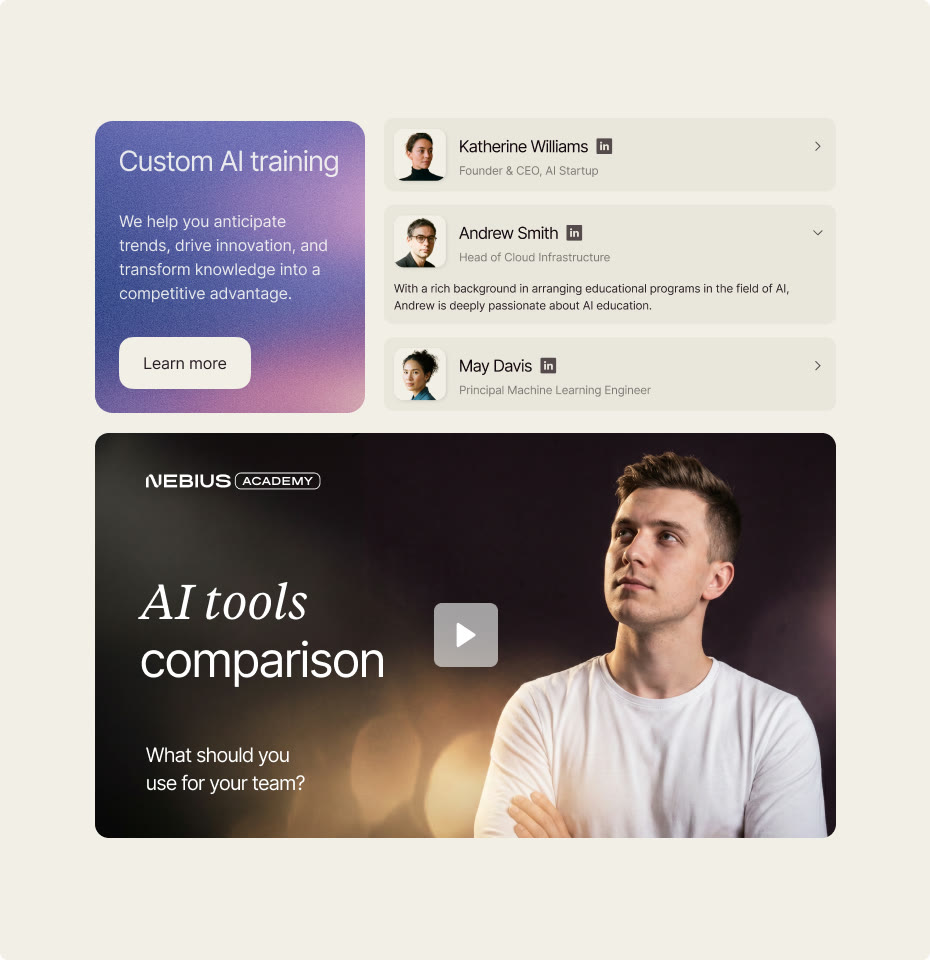
The platform was built as a flexible CMS-driven system with modular content blocks that can be easily rearranged to create different page layouts. This approach gave freedom to the editorial team to adapt content structures without requiring additional development.
→ Ease of use
The system was designed to be manageable by editors and content teams, not only by developers. With reusable components and a clear publishing logic, the client can create and update pages faster, using the existing structure as a practical content constructor.
→ Bilingual setup
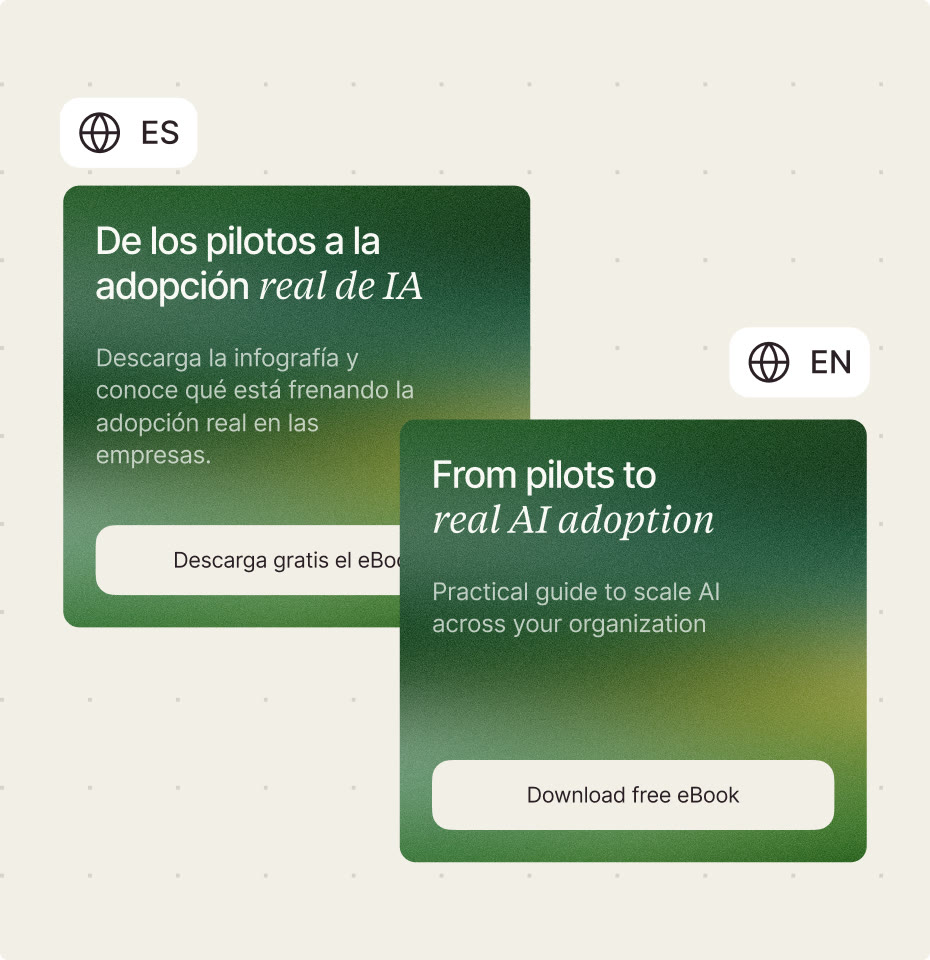
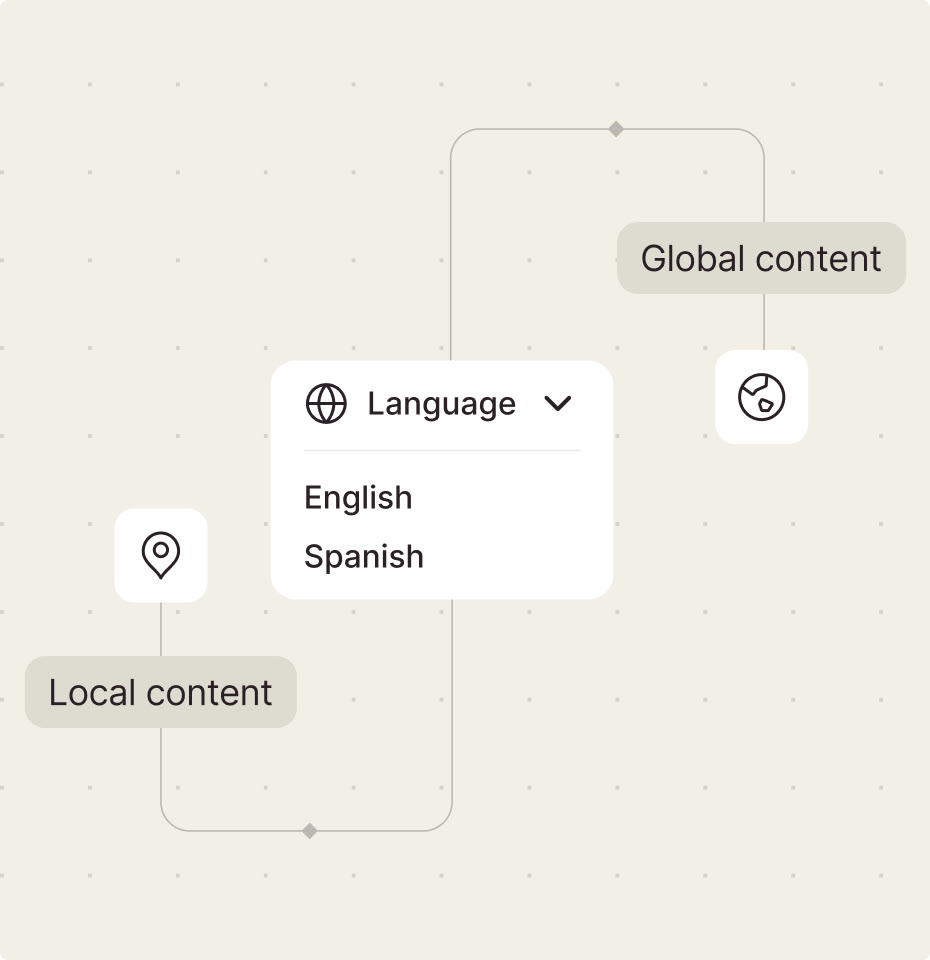
The hub supports two languages, English & Spanish, and gives the client flexibility to manage them independently. In practice, this works like two content systems in one: each market can have its own content strategy, featured materials, and page logic without being forced into a mirrored structure.
→ Automation
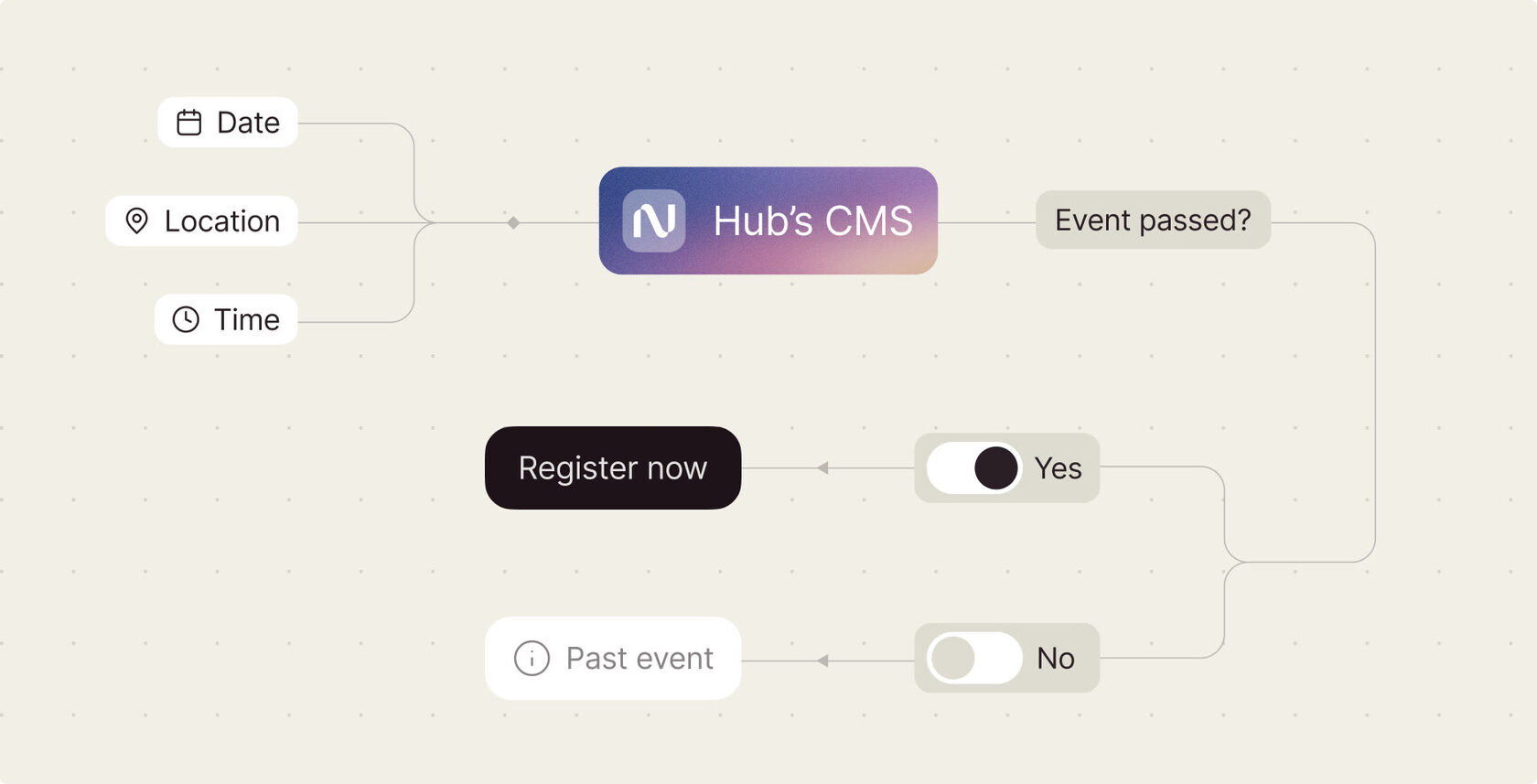
In places where content operations could be simplified, we introduced lightweight automation. For example, event-related pages can change status after the event takes place, helping the team manage content flows with less manual work.

Vladimir Rotov
Developer, Curves
Content Hub for Nebius Academy was a project with a non-trivial challenge: to build a flexible system supporting different publication formats. We developed a builder that lets you combine ready-made blocks, fill them with content, and add unique elements tailored to a specific publication.
We also gave special attention to the CMS: pages are assembled in an intuitive editor, without needing to know the underlying structure and without a developer’s involvement.

Review

Darya Kotava
Art Director, Nebius Academy
Working with Curves on the Nebius Academy Content Hub was a great experience.
The team worked really fast while keeping everything well structured, which made the whole process smooth and easy to follow. The CMS they built is intuitive, and I especially liked how much thought they put into the editor experience. The guidance and explanations they added will make it much easier for anyone managing content in the future. Another highlight was the team’s proactivity. They consistently came up with suggestions, anticipated potential challenges, and offered practical solutions before issues arose, making the collaboration smooth and productive.
Team
Art Direction
Darya Kotava (Nebius Academy)
Management
Christina Chervotkina
Yulia Myshlyaeva
Design
Egor Sokolov
Regina Gert
Tech team
Vladimir Rotov
Vita Bykova